Skip to content
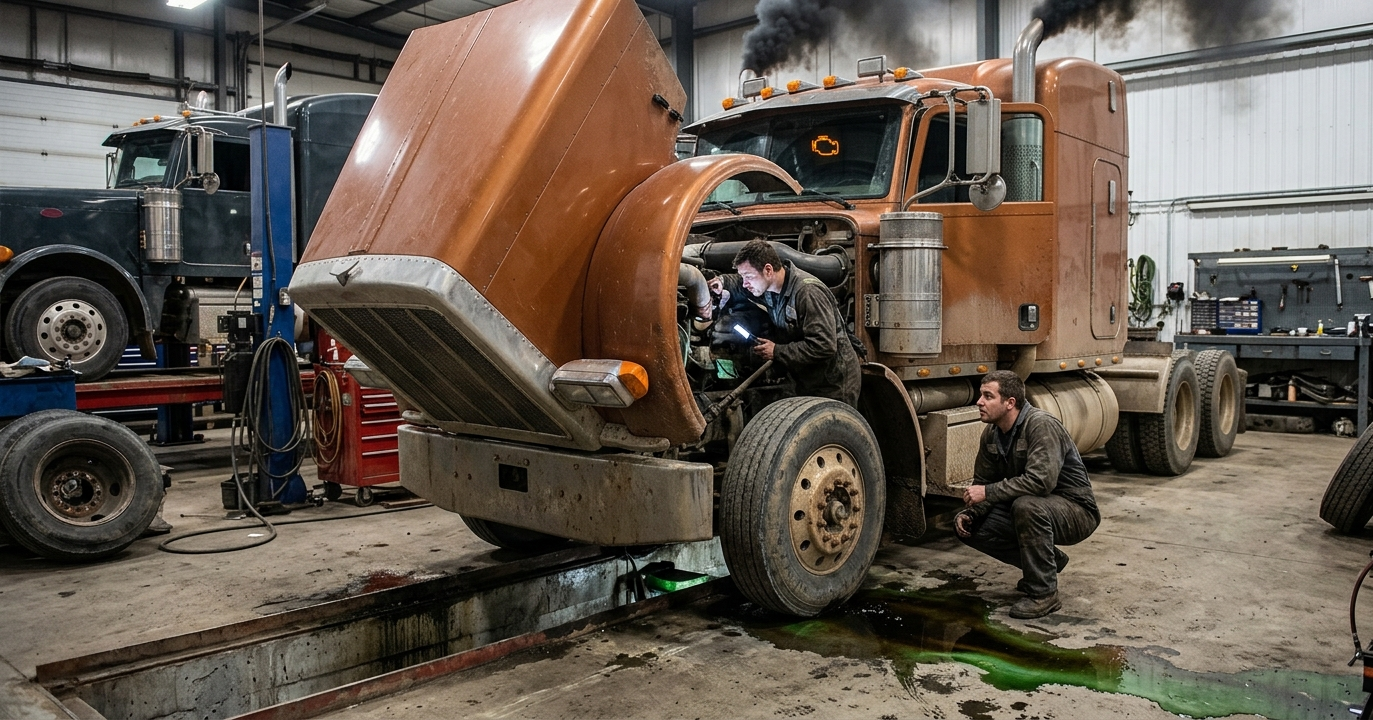
Choosing the right fleet repair shop in Long Island is one of the most important decisions you will make as a fleet owner or manager. The wrong shop costs you time, money, and missed deliveries.
You already know the feeling. One of your trucks breaks down on the Southern State Parkway at 6 a.m., and your driver is on the phone asking what to do. You need someone who can get that vehicle in, diagnose it fast, and turn it around without charging you for three days of labor on a two-hour job.
If you run a business on Long Island, whether you operate a delivery fleet out of Freeport, a landscaping operation in Hempstead, or a construction company in Nassau County your trucks are your revenue. When they stop, your income stops.
That is why picking the right fleet repair shop in Long Island matters more than most business owners realize. There are a lot of mechanics on the Island, but not all of them understand commercial fleets, diesel engines, or the kind of uptime pressure that comes with running a working business. Here is what to look for, what to avoid, and how to make a decision you will not regret.
1. Understand What ‘Fleet Repair’ Actually Means
Not every auto repair shop is set up to handle a fleet. A shop that does great work on personal vehicles might struggle with a Class 6 box truck or a diesel-powered work van. Before you call anyone, it helps to understand what separates a genuine fleet maintenance shop from a general mechanic.
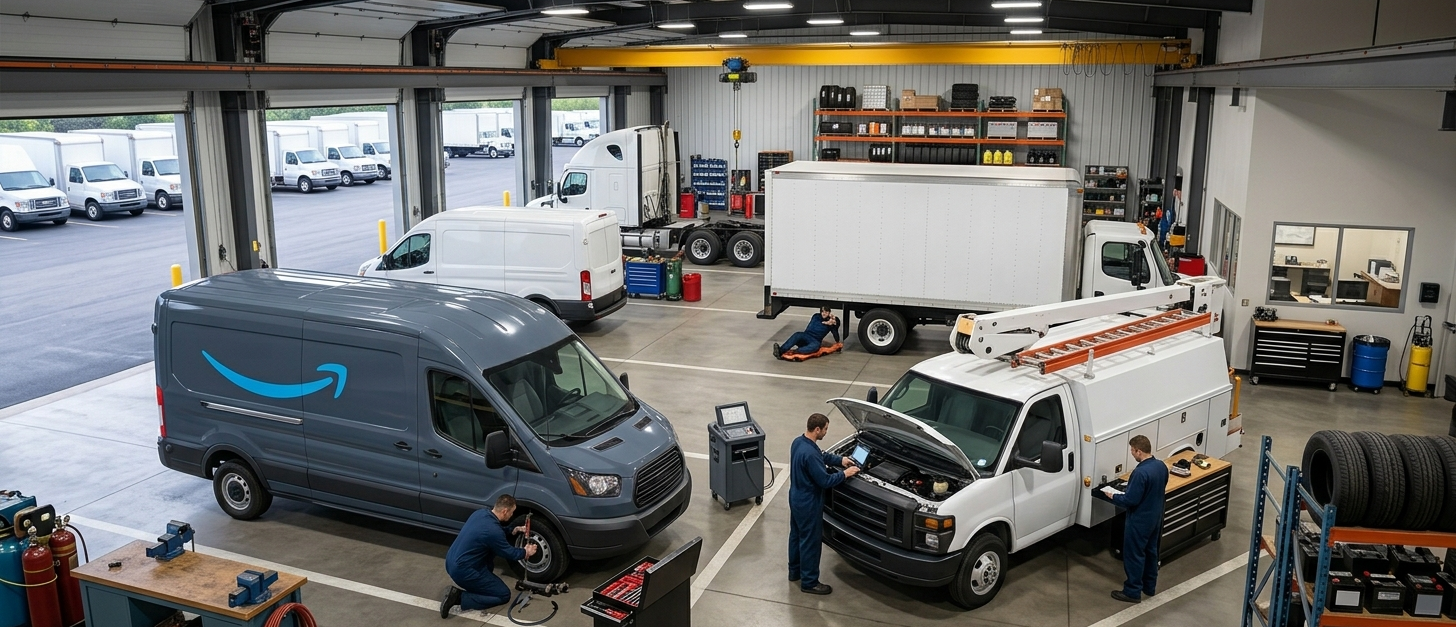
Fleet repair covers the ongoing service and repair needs of multiple commercial vehicles usually trucks, vans, and diesel equipment owned by a single business. A fleet shop needs to handle:
- Diesel engine diagnostics and repairs
- Preventive maintenance scheduling for multiple vehicles
- Commercial truck brake and suspension systems
- Transmission service on heavy-duty vehicles
- DOT inspection readiness and compliance
- Fast turnaround times to minimize your operational downtime
The key word there is multiple. A good fleet shop does not treat your third oil change of the week like an inconvenience. They build a relationship with your business and learn your vehicles inside and out.
| Why This Matters for Long Island Businesses: Long Island’s commercial corridor from the Nassau County border all the way out to Suffolk runs on working trucks. Traffic, stop-and-go conditions, and high-mileage routes put serious wear on commercial vehicles. You need a shop that understands that environment, not one that learned about fleet work from a textbook. |
2. Look for Real Commercial Fleet Experience
Commercial truck repair in Long Island is a specialty and experience is everything. A shop might say they work on fleets, but dig a little deeper and ask real questions:
- How many commercial fleet clients do you currently service?
- What types of trucks and vehicles do you specialize in?
- Do you have experience with diesel engines specifically?
- Can you show me examples of fleet maintenance schedules you have built for clients?
- How do you handle multiple vehicles from the same company at once?
At Dave’s Fleet Repair Inc. in Freeport, NY, we have been doing this for over 20 years. We started with a love for big engines and built a business around the real, practical needs of Long Island fleet operators. We know the difference between a truck that needs a quick fix and one that is heading toward a major failure if you ignore the warning signs.
3. Certifications and Training Are Not Optional
Ask any shop you are evaluating to walk you through how they have handled a fleet similar to yours. If they cannot give you a specific answer, that tells you everything.
In the commercial vehicle world, certifications matter. They are the baseline assurance that your mechanics have had formal training on the specific systems inside your trucks. When evaluating a fleet repair shop on Long Island, look for:
| Certification / Training | Why It Matters |
| ASE Certified Technicians | Nationally recognized standard for automotive and truck repair competency |
| Diesel Engine Specialists | Diesel systems are fundamentally different from gasoline engines and require specific expertise |
| DOT Inspection Authorization | Ensures your trucks can pass federal compliance checks without leaving the shop |
| Manufacturer-Specific Training | Critical if you run Ford, GM, Freightliner, or International trucks — especially for ECM diagnostics |
| Ongoing Education | The best shops invest in keeping their technicians current as truck technology evolves |
Do not be shy about asking to see certifications. A shop that is proud of their qualifications will happily show them. A shop that gets defensive or vague is a red flag.
4. Turnaround Time Is a Business Issue, Not Just a Convenience
When a truck in your fleet goes down, every hour it sits in a shop bay is costing you money. A delayed repair does not just inconvenience you it can mean missed deliveries, rescheduled jobs, and unhappy clients. This is why fleet maintenance in Long Island has to be approached with urgency.
Here is what good turnaround performance looks like from a fleet shop:
- Clear communication about estimated completion times before work begins
- A defined process for prioritizing fleet vehicles over personal car walk-ins
- On-site diagnostic equipment that eliminates the need to send vehicles elsewhere
- Stocked parts inventory for common commercial truck components
- Honest updates if something unexpected comes up mid-repair
| The Real Cost of a One-Day Delay: If one of your trucks generates $800 per day in revenue and sits idle for an extra day because a shop was disorganized, that is $800 straight off your bottom line plus the cost of the repair. At Dave’s Fleet Repair, we built our entire process around speed and communication, because we know what downtime actually costs a working business. |
When you call a shop for the first time, pay attention to how they handle the conversation. Do they ask smart questions about your vehicle and your schedule? Do they give you a realistic timeframe, or do they just tell you what you want to hear? That first conversation is a preview of every interaction to come.
5. Transparent Pricing Protects Your Budget
Nobody likes opening a bill and seeing charges they did not agree to. In the fleet world, surprise invoices are not just frustrating they blow up your maintenance budget and make it impossible to plan. The best fleet repair shops in Long Island operate with full pricing transparency.
Here is what to expect from a shop that respects your business:
- A written estimate before any work begins — not a verbal ballpark
- A clear breakdown of parts versus labor
- Advance notice if additional issues are found during the repair
- Consistent labor rates that do not change based on who is writing the invoice
- No hidden fees for shop supplies, diagnostic time, or disposal charges
If a shop refuses to give you a written estimate before starting work, walk away. It is not worth the risk. Shops that are confident in their pricing have no reason to hide it.
6. Equipment and Diagnostic Technology Matter More Than You Think
Modern commercial trucks are not simple machines. A Class 7 box truck can have dozens of electronic control modules managing everything from the engine and transmission to the ABS and emissions systems. Diagnosing a problem accurately requires professional-grade diagnostic equipment not a generic code reader from an auto parts store.
When evaluating a fleet shop on Long Island, ask about their diagnostic technology:
- Do they have commercial-grade scan tools compatible with your specific trucks?
- Can they perform live data analysis and not just pull fault codes?
- Do they have a dynamometer or road test capability?
- Can they diagnose and repair diesel aftertreatment systems (DPF, DEF, EGR)?
- Are they equipped to handle advanced transmission diagnostics?
A shop that relies on outdated or consumer-grade tools will cost you more in the long run because misdiagnosis leads to unnecessary repairs, return visits, and vehicles that break down again two weeks later.
7. Location on Long Island Matters for Emergency Situations
When a truck breaks down, you want help nearby. One of the most practical factors in choosing a fleet repair services near Long Island is proximity. A shop in Freeport, for example, is well positioned to serve businesses throughout Nassau County including Hempstead, Valley Stream, Rockville Centre, Lynbrook, and the surrounding areas.
Consider these location-related factors when choosing your shop:
- How far is the shop from your main operating area?
- Can they handle a roadside or towing situation if one of your trucks goes down?
- Do they offer early morning or after-hours drop-off?
- Is the shop accessible for large trucks and trailers?
- Do they have a secure lot for overnight or multi-day repairs?
At Dave’s Fleet Repair in Freeport, NY, we are centrally located in Nassau County, making it easy for businesses across Long Island to reach us quickly. We understand that when your truck is down, the clock is ticking — and we treat every situation with that urgency.
8. Ask About Preventive Maintenance Programs
The best fleet repair shops do not just fix what is broken — they help you prevent breakdowns in the first place. A structured preventive maintenance program is one of the highest-value services a fleet shop can offer, and it is a strong signal that they understand the fleet business, not just individual repairs.
A solid preventive maintenance program for your Long Island fleet should include:
- Scheduled oil changes based on your specific vehicle types and usage patterns
- Brake inspections and fluid checks on a regular cadence
- Tire rotations and pressure checks — especially important for heavy commercial loads
- Diesel filter replacements (fuel, air, and DPF regeneration as needed)
- Seasonal prep — winterizing diesel trucks and spring inspections after the cold months
- DOT compliance checks so your trucks are always inspection-ready
If a shop cannot describe a specific, structured PM process for fleet clients, they are not truly a fleet shop — they are a general mechanic who occasionally works on trucks.
9. Reviews and Reputation Tell the Real Story
In 2026, there is no excuse for choosing a shop based on a gut feeling alone. Long Island has a robust community of business owners, and word travels fast both good and bad. Before committing to any commercial truck repair shop in Long Island, do your homework.
Here is a practical checklist for vetting a shop’s reputation:
- Check Google Reviews — look at the volume of reviews, not just the rating. A 4.8 from 200 reviews means more than a 5.0 from 4 reviews.
- Read the negative reviews carefully. How the shop responded tells you more than the complaint itself.
- Ask other local business owners for referrals. The Long Island business community is tight-knit.
- Look for mentions of specific mechanics by name — that is a sign of consistent, high-quality work.
- Check the Better Business Bureau and any relevant trade directories.
- If possible, visit the shop in person before bringing in a vehicle. A clean, organized shop typically reflects organized, careful repair work.
10. The Red Flags That Should Send You Elsewhere
Even if a shop checks some boxes, certain warning signs should make you walk away immediately. In the world of commercial fleet repair, these are the red flags that experienced Long Island fleet managers have learned to recognize:
| Red Flag | What It Usually Means |
| No written estimate offered | They plan to adjust the final price after you cannot walk away |
| Vague or evasive answers about certifications | The qualifications they claim may not exist |
| Cannot explain what is wrong in plain language | They may not actually understand the diagnosis |
| Pressure to approve additional repairs immediately | Upselling without verification — ask for proof |
| No experience with diesel or heavy-duty trucks | They will learn on your time and your money |
| No clear process for fleet accounts | They treat your business like a one-time customer |
| Excessive wait times with no communication | Disorganization that will affect every repair |
| Unwilling to provide references from fleet clients | They may not have any |
11. Why Long Island Businesses Choose Local Over Dealerships
There is a common misconception that dealership service centers are automatically the safest choice for commercial fleet vehicles. In reality, most Long Island fleet operators who have tried both routes end up preferring a specialized independent shop and for good reason.
Here is how the comparison usually plays out:
| Factor | Dealership | Local Fleet Shop Like Dave’s |
| Turnaround Time | Often 3–7 days | Typically 1–2 days for most repairs |
| Pricing | Higher labor rates + markup on parts | Fair, transparent pricing |
| Fleet Knowledge | General service advisors | Dedicated fleet mechanics |
| Personal Relationship | Different advisor every visit | Same team who knows your trucks |
| Flexibility | Fixed appointment slots | Accommodates fleet schedules |
| Diesel Expertise | Varies widely by location | Core specialty, not an afterthought |
Frequently Asked Questions: Fleet Repair in Long Island
How much does fleet maintenance cost in Long Island?
The cost depends on your vehicle types, fleet size, and how current your maintenance schedule is. A single preventive maintenance visit for a diesel truck typically runs $150–$400, while more complex repairs like transmission rebuilds or DPF cleanings can range from $500–$2,500+. The best way to reduce overall fleet maintenance costs is to stay on a regular preventive schedule — reactive repairs cost three to five times more than planned maintenance.
What is the difference between fleet maintenance and regular auto repair?
Fleet maintenance is designed around the needs of commercial vehicles used daily in a business operation. It prioritizes uptime, compliance, and scheduled service across multiple vehicles — not just fixing individual problems as they arise. A fleet shop understands the operational pressure you are under. A regular auto shop does not.
How do I know if a shop in Long Island really specializes in fleet repair?
Ask them directly: How many active fleet accounts do you currently manage? What commercial vehicles do you service most often? Can you describe your preventive maintenance process for a fleet client? A shop that genuinely specializes in fleet work will answer these questions confidently and in detail. A general mechanic will give you vague answers or pivot back to talking about individual car repairs.
Does Dave’s Fleet Repair work with businesses outside Freeport?
Yes. While we are based in Freeport, NY, we serve commercial fleet clients throughout Nassau County and the wider Long Island area, including Hempstead, Valley Stream, Rockville Centre, Merrick, Bellmore, Oceanside, and beyond. If you are not sure whether we cover your area, call us at (516) 451-9587 and we will work it out with you.
How often should commercial trucks be serviced?
Most commercial diesel trucks should have an oil change every 10,000–15,000 miles, or every 3–6 months depending on usage. Brake inspections, tire rotations, and fluid checks should happen on a shorter cadence. The right schedule depends entirely on your vehicle types and how hard they are worked. We can build a custom PM schedule for your fleet — just ask.
Last Words:
Choosing a fleet repair shop in Long Island is a business decision, not just a mechanical one. The shop you choose will have a direct impact on your uptime, your maintenance costs, and your ability to serve your own customers reliably.
The right shop will have:
- Real, hands-on experience with commercial fleets and diesel vehicles
- Certified technicians who know how to diagnose modern trucks accurately
- Transparent pricing and written estimates before any work begins
- A fast, communicative turnaround process that respects your time
- A structured preventive maintenance program built for fleet clients
- Strong reviews and a reputation built on consistent results
- A convenient location that works for your Long Island operations
| Ready to Get a Quote? Dave’s Fleet Repair Inc. has been serving Long Island fleet operators for over 20 years. We specialize in diesel engines, heavy-duty trucks, commercial vehicle maintenance, and everything in between. Based in Freeport, NY we know Long Island, we know fleets, and we know how to keep your business moving. Call us at (516) 451-9587 or visit davefleetrepair.com to schedule service or get a free quote. |